Get Plumbing System Replacement
Plumbing system replacement services involve local contractors upgrading or installing pipes, fixtures, and appliances to resolve leaks, clogs, or outdated plumbing in residential or commercial properties.
If a property owner is considering a plumbing system replacement, it’s important to explore all available options and plan the project carefully. Local contractors who specialize in plumbing upgrades can provide valuable insights into the best solutions for different property types and needs. Whether upgrading aging pipes, improving water efficiency, or preparing for future renovations, understanding the scope of work and available services helps ensure a smooth and effective process.
Property owners in the area might look into plumbing system replacement for practical reasons such as improving reliability, preventing potential damage, or enhancing overall property value. Comparing local service providers can help identify experienced professionals who are equipped to handle the complexity of these projects. Continuing to read can provide useful information about how to approach planning and choosing the right local experts for the job.
- Old Plumbing System Replacement - needed when aging pipes cause leaks, low water pressure, or frequent repairs.
- Corroded or Damaged Pipes - requires replacement if pipes show signs of corrosion, cracking, or significant wear.
- Upgrading to Modern Plumbing - necessary when homeowners want to improve water efficiency or meet new building codes.
- Water Line Replacement - essential if leaks or frequent pipe bursts disrupt water supply or cause property damage.
- Complete Plumbing Overhaul - appropriate during major renovations or when existing systems no longer meet household demands.
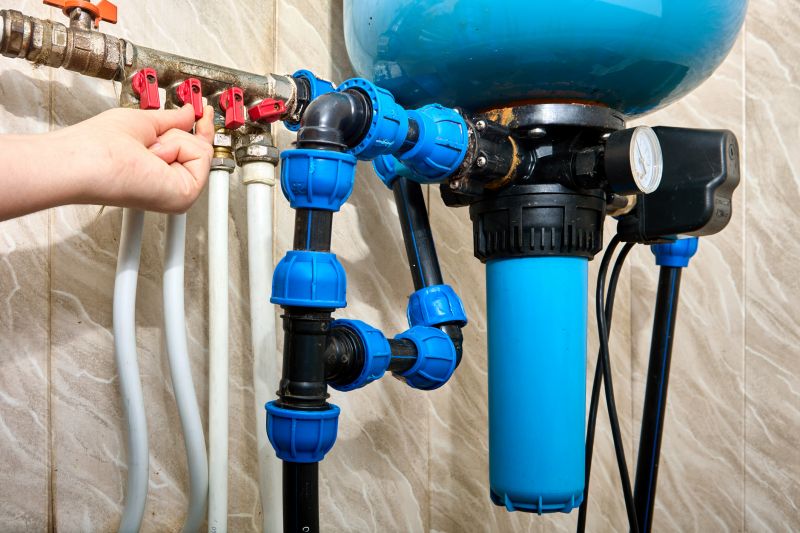
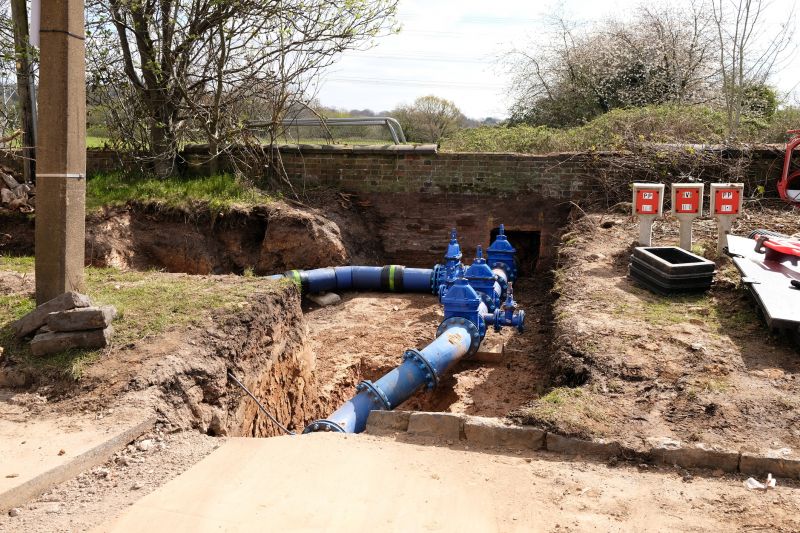
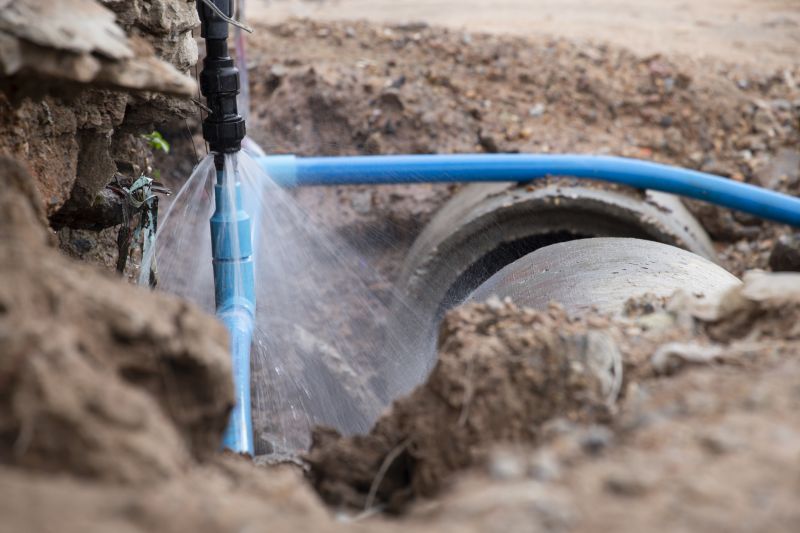
Plumbing system replacement involves removing outdated, damaged, or inefficient pipes, fixtures, and appliances and installing new components to ensure reliable water flow and drainage throughout a property. This service typically includes replacing old water supply lines, drain pipes, and fixtures such as sinks, toilets, and faucets. The goal is to improve the overall functionality of the plumbing system, eliminate persistent leaks, and prevent future issues that can lead to water damage or costly repairs. Local contractors specializing in plumbing replacement can assess the current setup, recommend suitable upgrades, and handle the installation with attention to detail.
Many plumbing problems can be effectively addressed through system replacement, especially when issues have become severe or persistent. Common signs indicating the need for a replacement include frequent leaks, low water pressure, rusty or discolored water, and persistent clogs that cannot be cleared easily. Older properties often have outdated piping materials that may no longer meet current standards or are prone to corrosion. Replacing the entire system can also help improve water efficiency and reduce the risk of sudden failures that could disrupt daily routines or cause property damage.
Plumbing system replacement services are suitable for a wide range of properties, including older homes with aging pipes, new construction developments, and commercial buildings requiring upgraded infrastructure. Residential properties often need replacements when pipes deteriorate or when fixtures become outdated or inefficient. Commercial properties may require more extensive upgrades to meet increased water demand or to comply with current building codes. Regardless of the property type, professional contractors can tailor their services to ensure the plumbing system functions effectively and reliably.
Homeowners should consider plumbing system replacement when experiencing ongoing issues that cannot be resolved through repairs alone. Signs such as frequent leaks, water discoloration, foul odors, or unexplained increases in water bills can indicate underlying problems that a full replacement can address. Consulting with local plumbing professionals can help determine if a system upgrade is the most practical solution, providing a long-term fix that enhances the safety, efficiency, and reliability of the property’s plumbing infrastructure.
The overview below groups typical Plumbing System Replacement projects into broad ranges so you can see how smaller, mid-sized, and larger jobs often compare in your area.
In many markets, a large share of routine jobs stays in the lower and middle ranges, while only a smaller percentage of projects moves into the highest bands when the work is more complex or site conditions are harder than average.
Smaller Repairs - typical costs range from $150 to $600 for common fixes like leaking faucets or minor pipe repairs. Many routine jobs fall within this middle range, with fewer projects reaching the higher end for more extensive repairs.
Partial System Replacement - replacing sections of a plumbing system often costs between $1,000 and $3,500. Larger, more complex partial replacements can push costs higher, but most projects stay within this range.
Full Plumbing System Replacement - complete overhauls generally range from $4,000 to $9,000, depending on home size and system complexity. Many full replacements fall into the middle to upper part of this range, with larger homes reaching higher costs.
High-End or Custom Projects - large, intricate plumbing upgrades can exceed $10,000, especially for custom fixtures or extensive reconfigurations. These projects are less common but represent the upper tier of typical replacement costs.
Actual totals will depend on details like access to the work area, the scope of the project, and the materials selected, so use these as general starting points rather than exact figures.
Water Heater Replacement - involves similar planning, tools, and plumbing skills as replacing an entire plumbing system to ensure proper hot water supply.
Bathroom Plumbing Renovations - requires knowledge of pipe routing and fixture installation, aligning closely with plumbing system upgrades.
Kitchen Plumbing Upgrades - includes rerouting and installing new water lines, paralleling the work involved in plumbing system replacement.
Sewer Line Repair and Replacement - involves troubleshooting and replacing underground piping, sharing techniques used in comprehensive plumbing upgrades.
Leak Detection and Repair - focuses on locating and fixing leaks within plumbing systems, a skill essential for system replacement projects.
Pipe Insulation and Soundproofing - involves working with piping systems to improve efficiency and reduce noise, related to the planning and installation aspects of plumbing replacements.
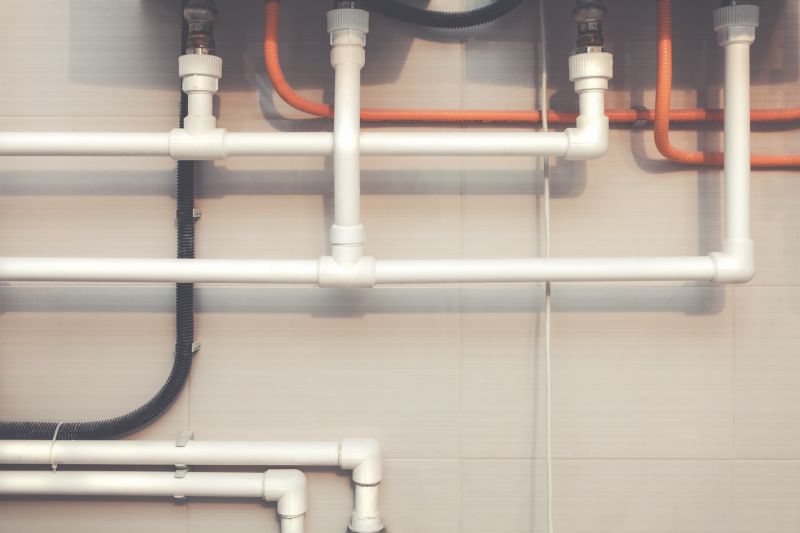
When comparing service providers for a plumbing system replacement, it’s important to consider their experience with similar projects. Local contractors who have handled comparable installations or upgrades are likely to be familiar with the specific challenges and best practices associated with such work. Asking about their previous projects can provide insight into their expertise and help determine whether they have the practical knowledge needed to complete the job effectively and efficiently.
Clear written expectations are essential for ensuring a smooth process and satisfactory results. Reputable local service providers should be able to provide detailed estimates and scope of work, outlining what is included and what is not. This transparency helps prevent misunderstandings and ensures that all parties are aligned on the project’s goals. When comparing options, look for contractors who communicate their plans clearly and are willing to answer questions about the process, materials, and any potential concerns.
Good communication and reputable references are also key factors to consider. Service providers who are responsive and transparent demonstrate professionalism and respect for their clients. Checking references or reviews can offer valuable insights into the experiences of previous customers, highlighting the contractor’s reliability and quality of work. It’s worth selecting local pros who are known for maintaining open lines of communication and who can provide trustworthy references, as these qualities contribute to a more positive and predictable project experience.
Property owners use Plumbing System Replacement services for practical projects around their homes and businesses. This guide focuses on everyday jobs and straightforward project options.
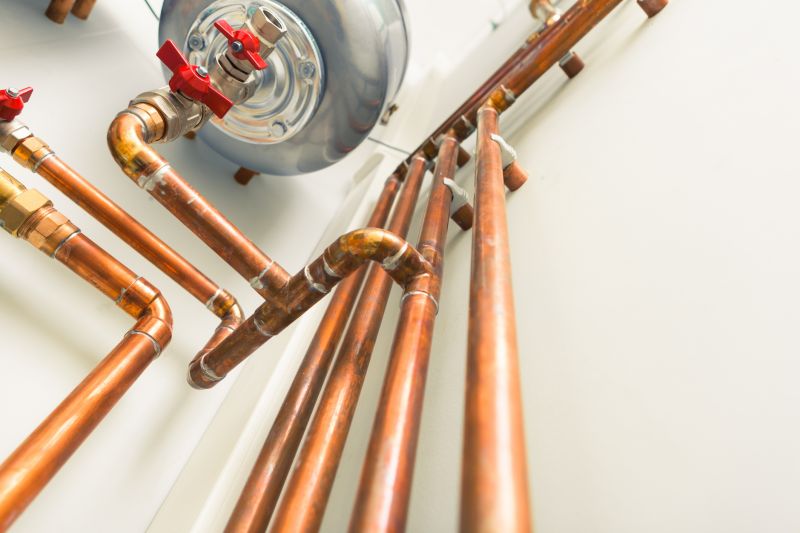
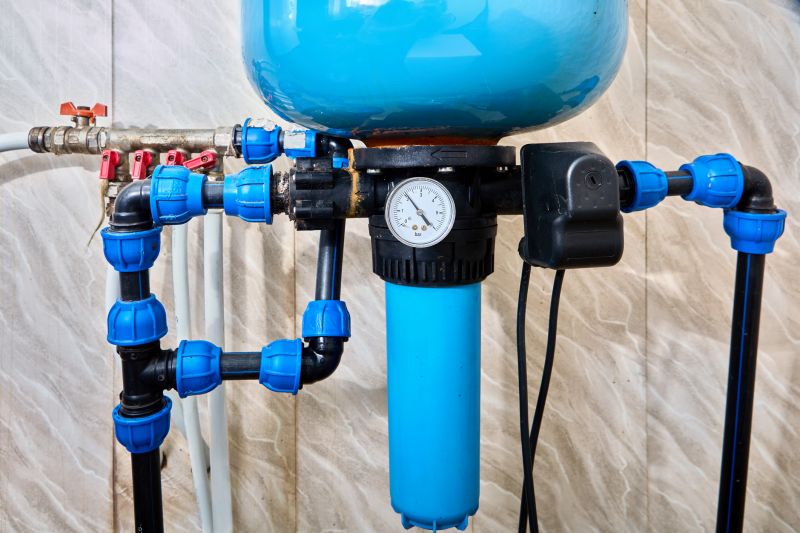
Plumbing system replacement is often needed when property owners notice ongoing leaks, frequent clogs, or decreased water pressure that cannot be resolved through repairs. Older properties may require complete pipe upgrades to improve efficiency and prevent future issues, especially when aging pipes are prone to corrosion or damage. Local contractors can assess these situations and recommend solutions that ensure the plumbing system functions properly, helping property owners maintain a safe and comfortable environment.
In many cases, property owners seek plumbing system replacement during major renovations or when preparing a property for sale. Outdated plumbing may not meet current standards or the demands of modern fixtures, prompting the need for a full replacement. Local service providers are equipped to handle these projects, offering options that improve water flow, reduce the risk of water damage, and enhance the overall reliability of the plumbing infrastructure.
When should a plumbing system be replaced? A plumbing system may need replacement if it shows frequent leaks, significant corrosion, low water pressure, or frequent clogs that cannot be resolved through repairs.
What signs indicate a plumbing system is failing? Signs include water stains, foul odors, inconsistent water temperature, and visible damage to pipes or fixtures, which suggest the system may require replacement.
How do local contractors determine if a system needs replacement? They assess the age, condition, and performance of existing pipes and fixtures, along with inspecting for leaks, corrosion, and other signs of deterioration.
Can a complete plumbing system be replaced all at once? Yes, many service providers offer full system replacements to improve reliability and prevent future issues, especially in aging or extensively damaged plumbing.
What are the benefits of replacing an outdated plumbing system? Replacing an old system can enhance water efficiency, reduce frequent repairs, improve water quality, and increase overall home safety and functionality.
Replace Old Plumbing Systems - Upgrading outdated plumbing can improve water flow and prevent leaks in a property. Local contractors can help ensure the system meets current standards.
Upgrade to Modern Materials - Using newer, more durable pipes and fittings can extend the lifespan of a plumbing system. Service providers can recommend options suited for specific property needs.
Address Plumbing Failures - When experiencing persistent clogs or frequent pipe issues, replacing the entire system may be the best solution. Local pros can handle comprehensive replacements efficiently.
Prepare for Property Renovations - Replacing the plumbing system during remodeling projects can avoid future disruptions. Service providers can coordinate with other contractors for seamless integration.
If you are thinking about Plumbing System Replacement for a property, this guide is meant to help you understand the work, the typical project types, and how different options might fit your plans.
When you are ready, you can use the quote form on this page to share a few details about your project. From there, local pros can review the basics and respond with options that match what you have in mind.